
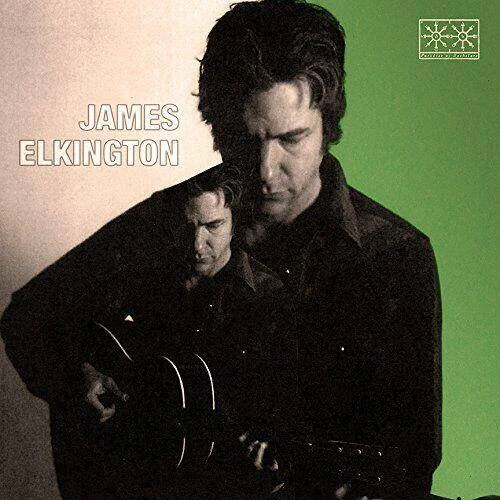
Description
Drawing from British folk, avant-rock, and jazz traditions alike, Wintres Woma Old English for the sound of winter is James Elkingtons debut solo record, but youve likely heard his masterful guitar playing and arranging, even if you didnt realize it. Elkington (an Englishman living in Chicago) is an inveterate collaborator who brings his lyrical compositional and improvisational sensibilities to any group. He has toured, recorded, and/or collaborated with Jeff Tweedy, Richard Thompson, Steve Gunn, Michael Chapman, Joan Shelley, Nathan Salsburg and Brokeback, to name just a few of his many enthusiastic admirers. His assured album, recorded at Wilcos Loft, is baroquely detailed and beautifully constructed, featuring both his baritone vocals and some of Chicagos finest, including Tomeka Reid. Elkington was brought up in England during the 70s and 80sa time when traditional and acoustic music was largely shunned in favor of the new wave (to which his largely-destroyed copy of The Falls Perverted By Language will attest)but found after his first forays into songwriting that some semblance of the folk music vernacular had crept in and wouldnt leave. Elkingtons music, however, is anything if retroactive, and anything if folk music: Its not folk music, he asserts. I may use the mechanics of folk music to put across my own ideas at times, but it really doesnt fall into any specific community or songwriterly tradition. The albums lyrics do seem to have a preoccupation with unseen powers at work and other dimensions, both of which seem to show up in traditional English music, but its based on my own experience and understanding, not anyone elses. Wintres Woma was recorded at Wilcos studio, The Loft, in a five-day sprawl with engineer Mark Greenberg. Elkington played and arranged all the instruments, with the exception of upright bass from Nick Macri, percussion from Tim Daisy, and string performances from Macie Stewart and Tomeka Reid, all of whom are veterans of Chicagos collaborative improvised music milieu. At times the results conjure Kevin Ayers delivering a Dylan Thomas or Gerard Manley Hopkins poem over a Bert Jansch song, all the while speaking in Elkingtons singular voice, and shot with indelible melodies. Each of these songs wrangles with memory, and even prophecy, in its knotty language and elegant, unpredictable progressions, drawing on the uncertain pastboth personal and historicalin order to negotiate the uncertain future. In that sense, despite James protestations, perhaps it is folk music.
Reviews
There are no reviews yet.