
Description
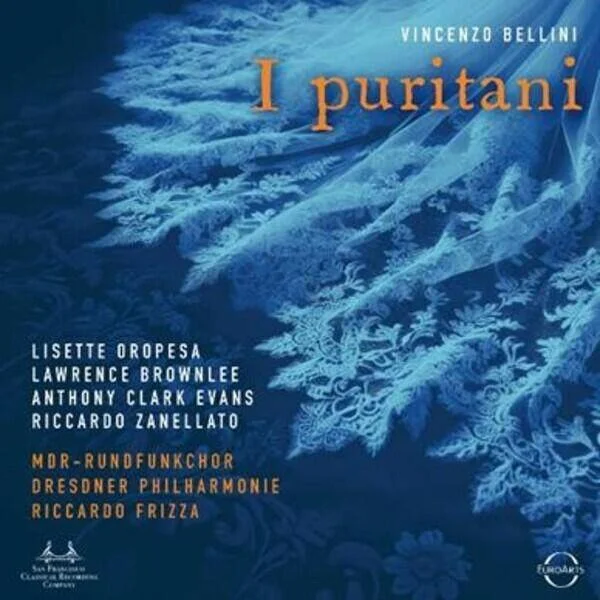
Cuban-American soprano Lisette Oropesa has an endless supply of golden-age trills, (Opera News) and a voice that is brightly crystalline and arrestingly powerful, (New York Times).
Zarzuela was born as a court genre in the 17th century, and became a mass spectacle in the mid-19th century, spreading throughout the whole of Spain. The success of zarzuela was in having sprung from Hispanic society, addressing an immense public of diverse social levels. It has made Hispanics laugh, cry, yearn and dream, with a musical language that arose from the very heart of the people. Zarzuela embraces Hispanic and European music, urban and rural, popular song and bel canto, traditional and urban dances. Zarzuela filled hundreds of theatres throughout Spain and America.
This album is introduced by the Cuban zarzuela, María la O (1930) by Ernesto Lecuona. Cuba, with more than 2500 zarzuelas composed, is the second great homeland of the genre, and Ernesto Lecuona and Gonzalo Roig are two true pillars of Cuban zarzuela. It also has a more dramatic profile, bringing to the stage the harsh social problems of slavery, racism, etc. The album concludes with the Catalan-born composer Gonzalo Roig (1890-1970) with the mythical Cecilia Valdés, which the anthropologist Fernando Ortiz defined as the zarzuela of Cubanness, full, heartfelt, conscious and desired. Cecilia Valdés is a zarzuela with a strong racial content, with slavery as one of its central themes. Roig reaffirms in it the symbiosis of black music, Creole peasant music and Spanish music.
This magnificent album is masterfully interpreted by Lisette Oropesa who carries this music in her heart. Her multi-faceted voice masters even the most demanding vocal passages with impressive ease.
The music of Zarzuela is very dear to Lisette reminding her of her roots. The tracks on this album are carefully chosen by Lisette and present some of her favorite Zarzuelas.
3 x SACD.
Reviews
There are no reviews yet.